
The Haitian Development Network Foundation (HDNF)
Menu
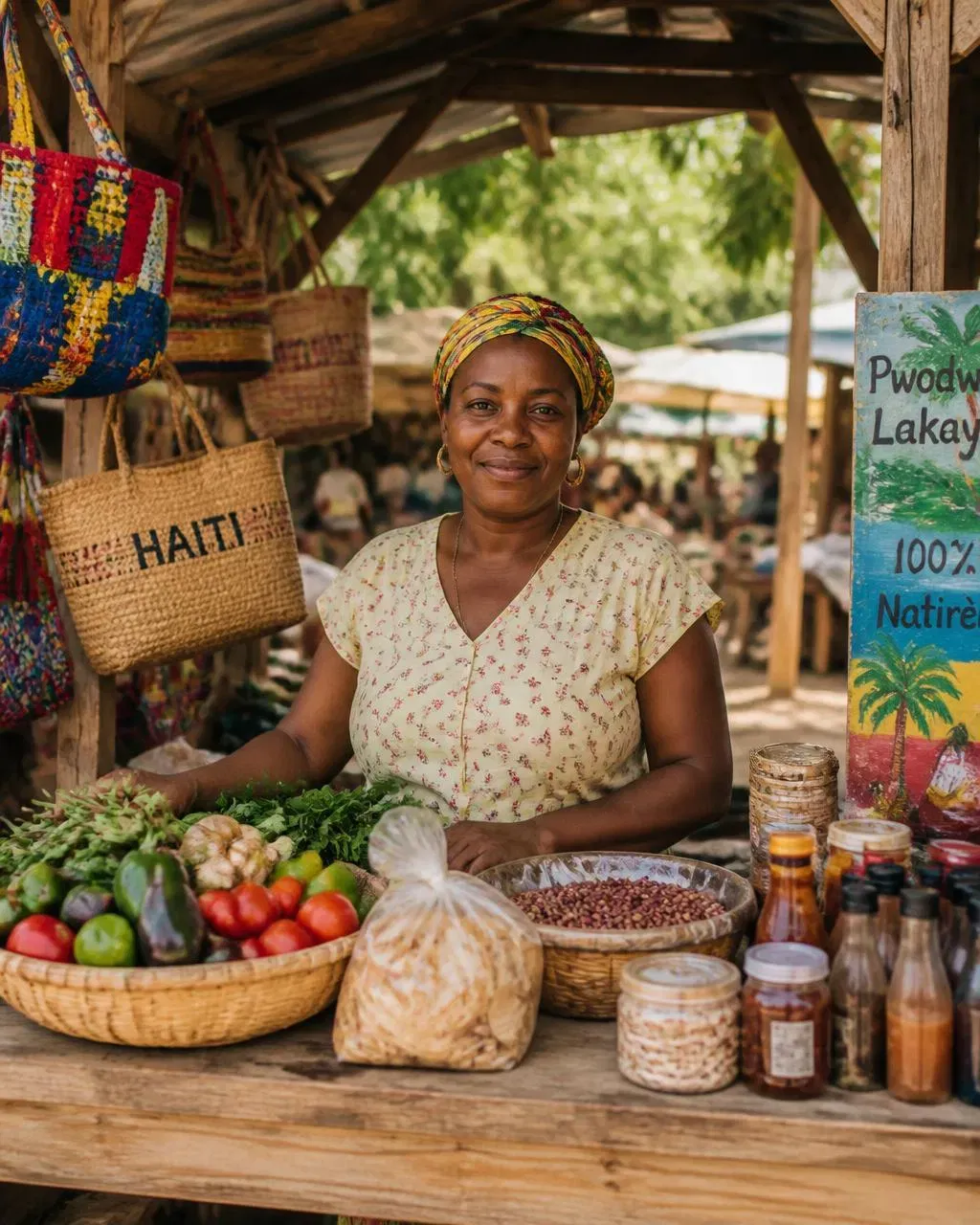
Haitian market vendor surrounded by fresh produce and local goods

Haiti: Where Heritage Lives

The legend is famous. The living heritage is Haitian.

Experience Haiti’s history, culture, and landscapes while helping communities build a stronger future.

Haiti is more than a destination. It is a living story of history, creativity, courage, and community.

The bigger picture

Haiti’s story is larger than crisis.

Haiti is known for revolutionary history, creative traditions, and natural beauty — and too often described only through crisis. Its tourism potential includes historic sites, the Haitian Revolution and independence, Taíno and African heritage, music, dance, carnival, food, crafts, markets, mountains, forests, reefs, waterfalls, and island landscapes.

Emergency response is immediate. Sustainable development is lasting.

Tourism should be a locally owned system that creates skills, income, pride, and conservation for generations. HDNF is a US-registered 501(c)(3) nonprofit focused on economic inclusion: nobody’s just surviving, everyone’s thriving, on their own terms.

From the founder

From the Founder: The Island Was Never Just a Legend

Jacques Jonassaint
Founder of HDNF · born in Port-de-Paix

“I was born in Port-de-Paix, on Haiti’s northern coast. When I was nine or ten years old, my father took my older brother Jean and me to Tortuga Island in one of his boats. I remember the water, and the island rising out of it. I didn’t fully understand then that the place ahead of us was one of the most famous islands in the world—the pirate stronghold of every story we’d ever heard.

To me, it was simpler than that. It was my father’s boat, my brother beside me, and a piece of Haiti I would carry with me for the rest of my life. That’s the memory behind Haiti: Where Heritage Lives.

Tortuga was never only a legend. It is a real place, with real communities, real history, and real possibilities—and it sits in the backyard of the people who know it best. The legend is famous. The living heritage is Haitian.

That heritage belongs to the families of Port-de-Paix, Tortue, and Jean Rabel—and it should benefit them first.”

Three routes

Start where history, nature, and culture meet.

Each route is a way to connect visitors with the people already carrying Haiti’s heritage forward.

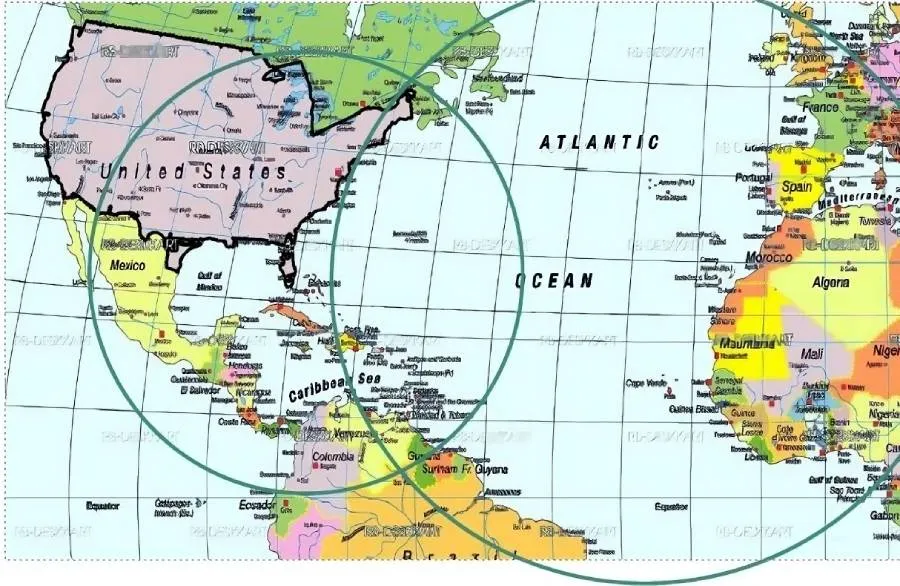
Historic Haitian destination imagery from the HDNF tourism initiative

01

Revolution & Heritage

Haiti’s history changed the world. Cap-Haïtien, Citadelle Laferrière and National History Park, historic churches and districts, local historians and cultural interpreters, and preservation work can connect the past to the future.

The goal is for local people to interpret, preserve, and benefit from their heritage.
02

Conservation is not an accessory to tourism. It is the foundation.

Coast, Islands & Conservation

Môle Saint-Nicolas, Tortue Island (Tortuga), and Île-à-Vache hold marine environments, beaches, local livelihoods, mangroves, reefs, forests, watersheds, caves, and fisheries worth protecting.

Responsible tourism means waste reduction, visitor-capacity planning, site maintenance, environmental education, and reinvestment in the places that welcome visitors.

Historical note: Christopher Columbus’s first landing on the island of Hispaniola was at Môle Saint-Nicolas on December 6, 1492, when he named it Puerto de San Nicolás on St. Nicholas’s feast day. It was not his first landfall in the Americas—that was Guanahani (San Salvador) in the Bahamas on October 12, 1492. But the first place Columbus set foot on Hispaniola was Haitian ground: Môle Saint-Nicolas.

03

Living Culture & Craft

Culture lives in markets, kitchens, workshops, music, dance, clothing, and festivals. Jacmel brings together architecture, art, carnival, beaches, and Bassin Bleu.

Artisan workshops, community markets, woodworking, sewing, pottery, decorative arts, and direct purchases from Haitian makers make visitors participants in a local economy.

When visitors purchase directly from artisans, they do more than take home a souvenir.

Craftsmanship is economic development. Preservation is economic development. Cultural pride is economic development.

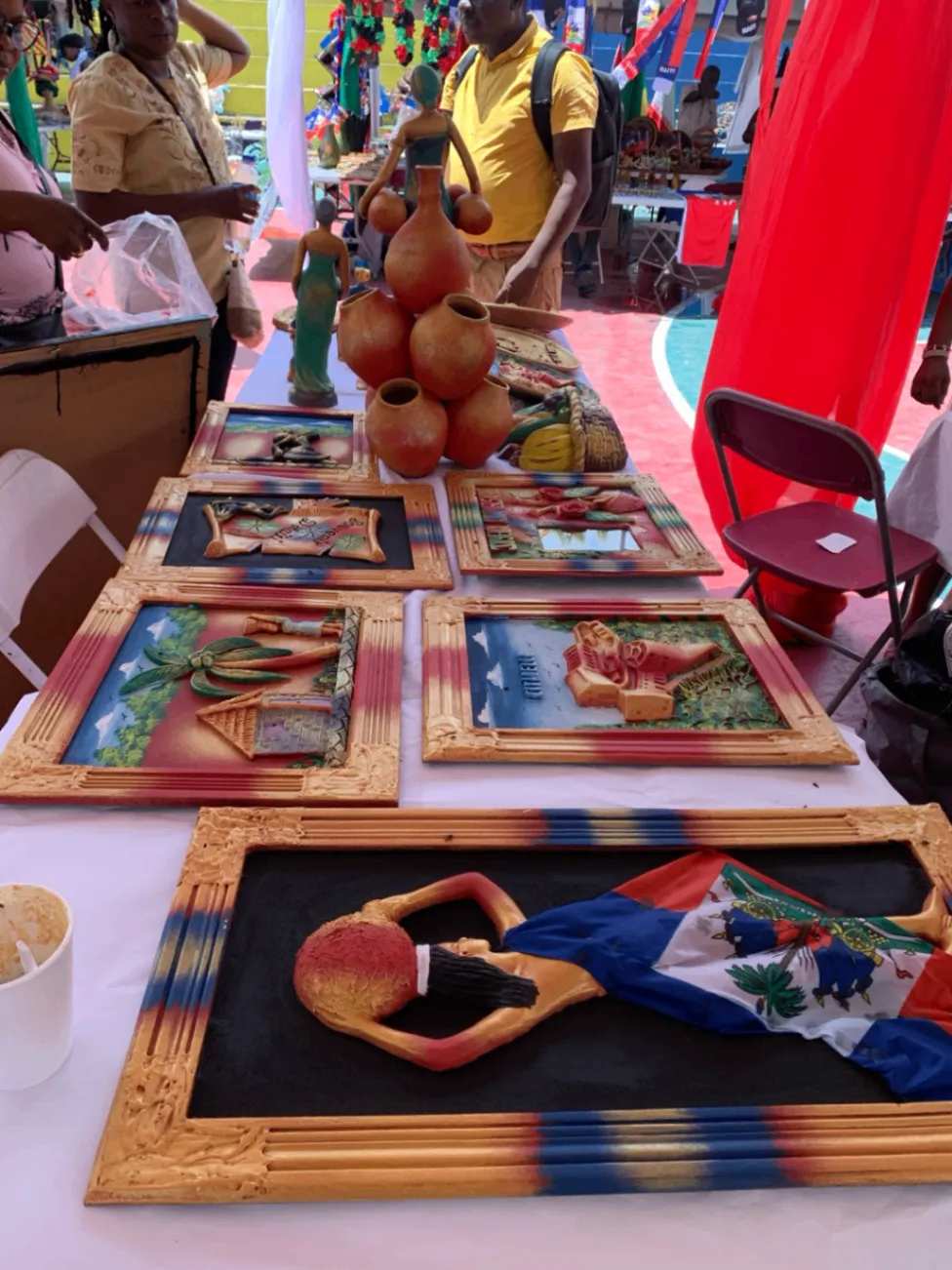
Handcrafted Haitian art and cultural goods at a community market

A living atlas

Six destinations. Many stories.

These places hold the ingredients for a locally rooted tourism economy: history, culture, ecology, and people with knowledge of their home.

01

Môle Saint-Nicolas

Where Columbus first set foot on Hispaniola on December 6, 1492, naming it Puerto de San Nicolás on St. Nicholas’s feast day. Explore coastal history, fortifications, caves, fishing, and marine environments.

02

Port-de-Paix

A place of historic significance, agricultural production, coastal landscapes, offshore reefs, and a direct maritime relationship with Tortue Island.

03

Tortue Island

Directly opposite Port-de-Paix, roughly 20 miles long by 3 miles wide. European adventurers settled here in 1629; later it became a 17th-century privateer and buccaneer stronghold, with beaches, mountains, marine life, and Palmiste at its highest point.

04

Cap-Haïtien

Historic architecture, revolutionary history, the Citadelle Laferrière, local markets, and a deep cultural heritage.

05

Île-à-Vache

Island landscapes, beaches, water activities, and a strong possibility for community-based tourism.

06

Jacmel

Colonial-style architecture, carnival, art, beaches, waterfalls, and a strong cultural identity.

A necessary caveat: These examples are not promises that every destination is currently safe, accessible, or ready for immediate tourism. Responsible travel requires current information about safety, transportation, infrastructure, site access, local guidance, and operating conditions. Verify those details before planning or traveling.

The visitor pledge

Travel with attention.

A visit is a relationship. The choices visitors make can respect local agency, protect place, and help value stay where it is created.

I commit to:

  1. 01Learn before I visit.
  2. 02Follow current safety and access guidance.
  3. 03Pay fairly and support local ownership.
  4. 04Respect people, culture, sacred places, and photography boundaries.
  5. 05Reduce waste and protect natural and historic sites.
  6. 06Share Haiti’s story accurately and with dignity.

What responsible visitors can do

You can support without traveling:

  • Purchase Haitian handmade goods through credible channels.
  • Support Haitian artists, farmers, cooks, guides, and small businesses.
  • Fund heritage preservation and community development.
  • Share accurate stories and seek locally owned experiences when travel is appropriate.
  • Ask how visitor spending supports residents.

Tourism inside Haiti 2050

A destination is stronger when its whole system is stronger.

Sustainable tourism is connected to all five Haiti 2050 pillars. A guesthouse needs energy. A restaurant needs farmers. An artisan needs tools and markets. A historic site needs maintenance. A community needs local ownership.

01

Sustainable Tourism

Locally owned experiences that keep value in communities.

02

Craftsmanship

Skills, tools, and markets for Haitian makers.

03

Food Production

Farmers and food businesses building resilient local supply.

04

Preservation Skills

Knowledge that protects harvests, stories, and places.

05

Energy Independence

Reliable, locally managed energy for the whole system.

Build what lasts

Help build the long term.

Haiti does not need another story that ends with emergency relief. Haiti needs trusted partnerships that strengthen local capacity for generations.

Questions or partnership ideas? info@hdn.org